Classic 101

75+
Clinics
15+
Years Experience
100+
Audiologists
Features and Specifications:
- Click-Less Operation: Completely click-less interrupt ensures a smooth and comfortable testing experience.
- +20dB Key: The +20dB key provides flexibility in adjusting the intensity levels for accurate audiometric evaluations.
- Masking Options:
- Wide, narrow, and speech band noise masking options are available, catering to various testing scenarios.
- Tone Decay Test: Includes a Tone Decay test for a comprehensive assessment of auditory function.
- Pulse Tone Function: The Pulse Tone function enhances testing capabilities and provides a dynamic element to the evaluation process.
- Bone Conduction:
- Frequencies: 250Hz, 500Hz, 750Hz, 1Khz, 1.5Khz, 2Khz, 3Khz, 4Khz, 6Khz
- Intensity: 70dB
- Air Conduction:
- Frequencies: 250Hz, 500Hz, 750Hz, 1Khz, 1.5Khz, 2Khz, 3Khz, 4Khz, 6Khz, 8Khz
- Intensity: Up to 120dB
- Equipment:
- Provided with Oticon BC bone vibrator and HD-01 headphones (TDH-49 optional), ensuring a complete testing setup.
- Digital Calibration: Complete digital calibration ensures accuracy and reliability in test results.
- PC Connectivity: Can be connected to a computer via USB, allowing for PC-based audiometry. Free PC software is provided in the standard packing.
- Compact Design: Small form factor for easy portability and convenient use in different settings.
- Award-Winning Design: Recognized with an award for design excellence in the Cypress Design Contest 2002, U.S.A.
- Free-Field Amplifier Connectivity: Possible to connect to a free-field amplifier via a separate junction box, expanding testing capabilities.
Experience the excellence of the Classic 1 Digital Audiometer, offering advanced features, connectivity options, and an award-winning design for precise audiometric evaluations.
Hear the World Around You
At Clear Sound, we bring change in the way you approach wellness and care.
Frequently Asked Questions
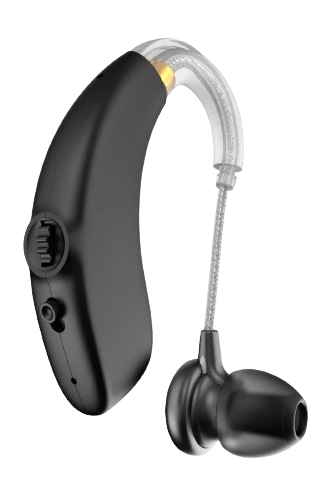
The major hearing styles are IIC, CIC, ITC, ITE, BTE, RIC. All of them are in wired and wireless options. Now a days there is also option of hearing aids with Rechargeable batteries.
The cost of a hearing aid or aids really depends on the type of device required as well as added features and necessary professional services. Because everyone’s hearing problem is different, the price range varies from person to person and their choices.
If you have hearing loss in both ears the answer is YES! Research shows if someone with hearing loss in both ears only wears one hearing aid, their unaided ear is at great risk for increased and sometimes rapid auditory deprivation.
Hearing aids typically last about 5-6 years. We say this because of the tremendous advancements in technology. Hearing aids can last longer as long as they are properly taken care of and still appropriate for your lifestyle needs.